
Fortifying Components for the Sea: Advanced Surface Treatment for Marine Applications
Conquering the Corrosive Forces of the Marine Environment
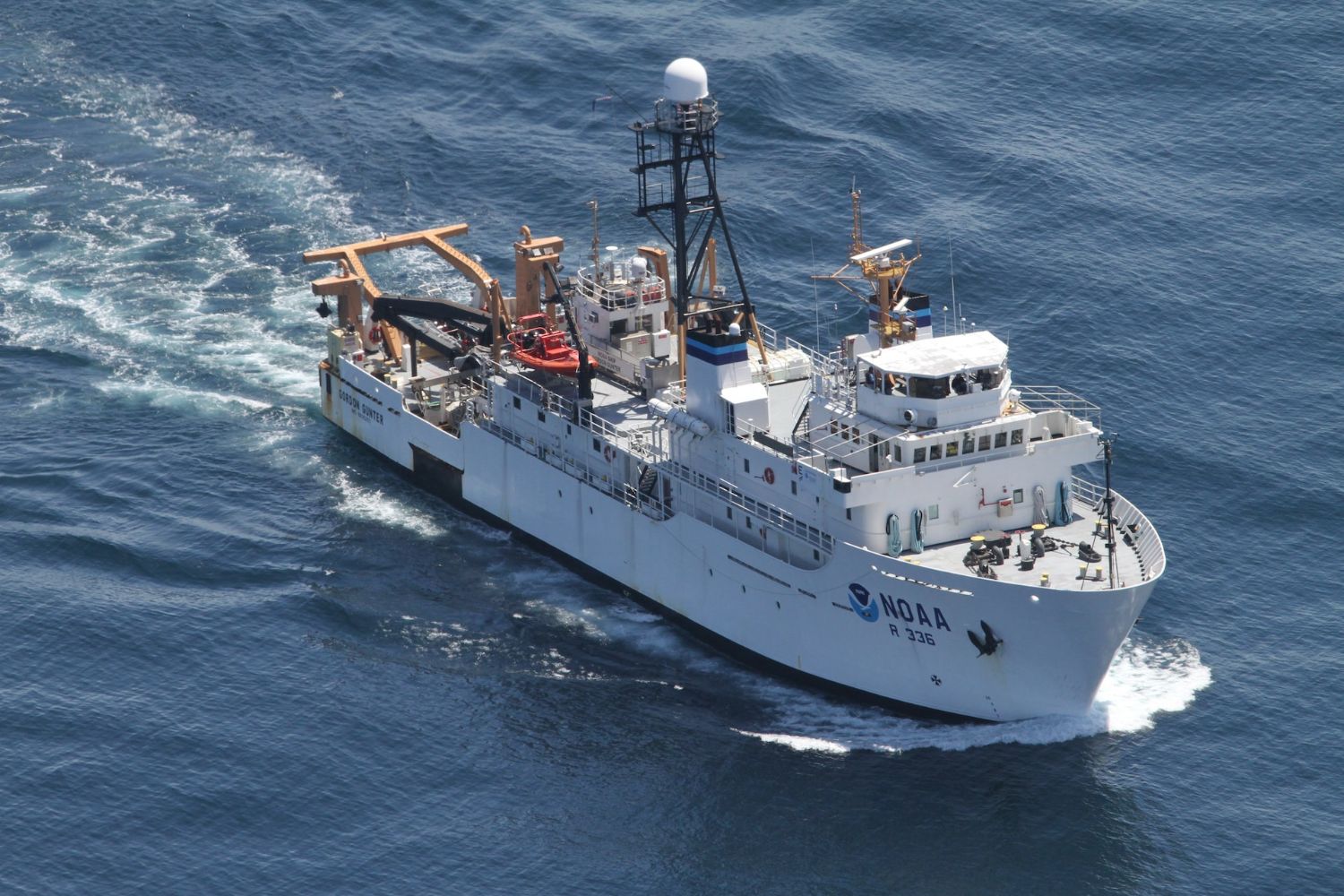
The marine environment presents one of the most aggressive challenges for metal components, subjecting them to a relentless combination of high mechanical stress, heavy impact loads, and severe, pervasive corrosion. Equipment used in shipbuilding, offshore platforms, and vessels must demonstrate absolute reliability and structural integrity to withstand constant exposure to saltwater, sea spray, and humidity.
Liquid Salt Bath Nitrocarburizing (LNC) is a thermo-chemical process that provides specialized protection essential for marine and offshore applications. By creating a durable, integral surface layer, this advanced treatment significantly boosts a component’s resistance to wear and, most critically, to saltwater corrosion.
Critical Durability Advantages for Marine Systems
The application of this surface treatment technology fundamentally transforms the surface properties of ferrous (iron-based) metals, delivering superior performance benefits vital for ensuring long-term operational readiness at sea.
Unrivaled Resistance to Sea Salt Corrosion
Corrosion is the single greatest threat to equipment in marine settings. The LNC process forms a robust protective layer composed of specialized compounds that act as a permanent barrier. This layer effectively shields the underlying metal from the corrosive effects of seawater, sea salt, and highly humid marine environments.
This defense system outperforms conventional methods, as the integral nature of the surface layer ensures protection even if the surface sustains minor damage. This capability ensures the longevity and reliability of components where protection against environmental degradation is essential. For components facing the most demanding corrosive conditions, the optional QPQ variant is available to provide maximum protection.
Enhanced Resistance to Wear and Cavitation
Components in marine drive systems, steering mechanisms, and hydraulic units are frequently exposed to heavy loads, friction, and high-impact conditions. The process dramatically increases surface hardness, providing exceptional defense against abrasive forces and material loss.
Furthermore, LNC enhances a component's resistance to cavitation wear. Cavitation occurs when rapid changes in fluid pressure cause vapor bubbles to form and collapse near the surface, leading to erosion. By creating a hard, wear-resistant surface layer, the treatment provides an added layer of protection against these erosive effects, which is crucial for pumps, valves, and other hydraulic components subjected to fluctuating fluid pressures.
Friction Reduction and Extended Component Lifespan
The diffusion layer formed during the treatment exhibits reduced friction and adhesion. This inherent lubricity ensures smoother operation of moving parts and reduces wear. The enhanced wear resistance, coupled with superior corrosion protection, significantly extends the overall service life of treated components. Components resist surface failure and operate for their intended design life, eliminating premature replacement.
Reliability Under Stress and Load
Marine components are continually subjected to cyclic loading from engine vibration and wave movement. The surface enhancement improves the material's resistance to fatigue failure, reducing the risk of microscopic crack initiation and propagation during repeated stress cycles. This heightened fatigue strength ensures prolonged reliability and greater endurance for critical parts. The hardened surface layer also provides improved resistance to surface deformation, allowing components to better bear heavy loads without degradation.
Typical Marine Component Applications
This advanced surface treatment is used to fortify components throughout vessels and offshore infrastructure that require defense against extreme wear, heavy loads, and saltwater exposure.
Components benefiting from this treatment include:
- Boat steering components: Enhancing durability and corrosion protection in critical control systems.
- Drivetrain vibration isolation systems: Fortifying parts that manage continuous mechanical stress and cyclic loads.
- Brakes: Improving corrosion resistance and extending the lifespan of braking mechanisms.
- Hydraulic Components: Protecting shafts, cylinders, and valves used for power transmission and motion control in high-pressure, corrosive environments.
Long-Term Value and Environmental Stewardship
In addition to superior functional performance, utilizing this surface treatment technology offers significant long-term operational and environmental benefits. The enhanced durability and extended lifespan of treated components directly translate to reduced maintenance costs, fewer replacements, and minimized operational downtime.
The process is also recognized as an environmentally friendly alternative. It can serve as a substitute for environmentally detrimental processes, such as chrome plating, which involves hazardous compounds like hexavalent chromium. By operating at lower temperatures, the process also results in reduced energy consumption and a smaller environmental footprint. This commitment to sustainability aligns with the goals of environmentally conscious marine operations.